Audio, images, video, words, and human judgment. Different ways to explore the people and context that matter to your work.
A closer lookA shared moment at the food stall. People and activity give the scene its meaning.
The world beyond the frame.
Everyday objects, activities, and places, captured in the conditions that matter to your project. Define what should be captured, and what context should travel with it.
Example
Photographs of people, objects, and street-level activity
Examples to explore. Languages, locations, and scope are discussed per project.
What could you understand next?
From understanding a daily routine to building a more useful product, local context changes the questions you ask. Explore a few ways human data could support your work in Southeast Asia.
Research everyday life
What shapes an everyday journey?
A commute is more than a route. How people describe changing transport, finding a stop, or fitting a trip around their day can help a research team understand the decisions behind a journey.
Data to explore
Spoken or written accounts, with the prompt, language, and agreed context attached.
Build more useful products
Would people ask for it that way?
A food search or local-service app needs to meet people in their own words. Explore the names they use and which responses they find clear, relevant, or useful before deciding how your product speaks.
Data to explore
Everyday search phrases and comparisons of possible responses, with reasons for each preference.
Develop AI in context
Can your system make sense of a busy street?
Signs, food carts, pedestrians, and motorcycles share the frame. Images and short clips from everyday settings can help your team explore scene understanding and visual language in the conditions your system needs to work in.
Data to explore
Images or clips with agreed scene and capture context. Feasibility is discussed for each project.
These are representative use cases. Availability, languages, locations, and permitted use are agreed for each project.
Use cases
What could you build with local data? Explore seven applications grounded in everyday life in Indonesia.
Everyday messaging on a phone.
A convincing message. A reason to pause.
An urgent request, a familiar name, a link that feels almost right. Local language and message examples could help build tools that flag warning signs and explain them clearly.
Example
Highlight suspicious wording in a message and explain what deserves a closer look.
Useful data
Message text, local expressions, and human judgments about suspicious content.
Applications to explore with your team. Data availability, languages, locations, and permitted use are agreed for each project.
Before we get started.
A few things you might want to know before we talk.
Can we start with a sample?
We can discuss a sample relevant to your project, so you can assess whether the data fits your needs before deciding on a wider scope.
Can we specify languages and locations?
Yes—include the languages, locations, and settings you need in your brief. Coverage and feasibility are confirmed for each project.
What determines scope and timing?
The kind of data, people, settings, and level of detail you need all shape the project. We discuss these with you before agreeing on the scope and timeline.
Are the visuals on this page dataset samples?
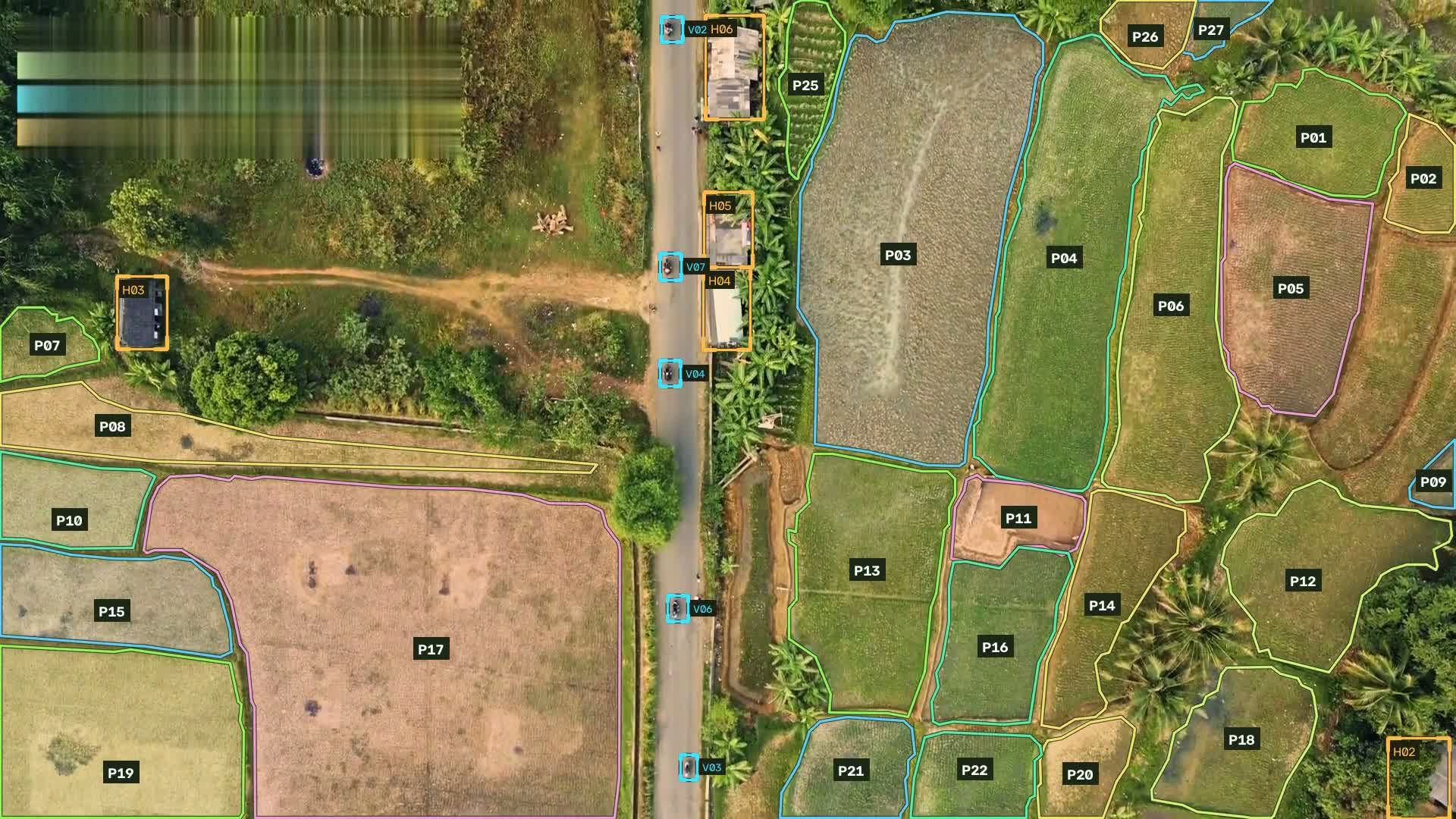
The photographs and detection footage illustrate the kinds of everyday context a project might involve. They are presentation assets, not a downloadable dataset or evidence of completed client work.
Do we need a detailed brief to get started?
No. Tell us what you are exploring, building, or trying to understand. Share any languages, locations, or data types you have in mind. You do not need every detail worked out to start a conversation.
Let’s start with your question.
Tell us what you’re exploring, building, or trying to understand.